
For mum
Postpartum & Postnatal Physio.
Comprehensive recovery after birth. Pelvic floor, abdominal separation, C-section healing, and a confident, sustainable return to the things you love.
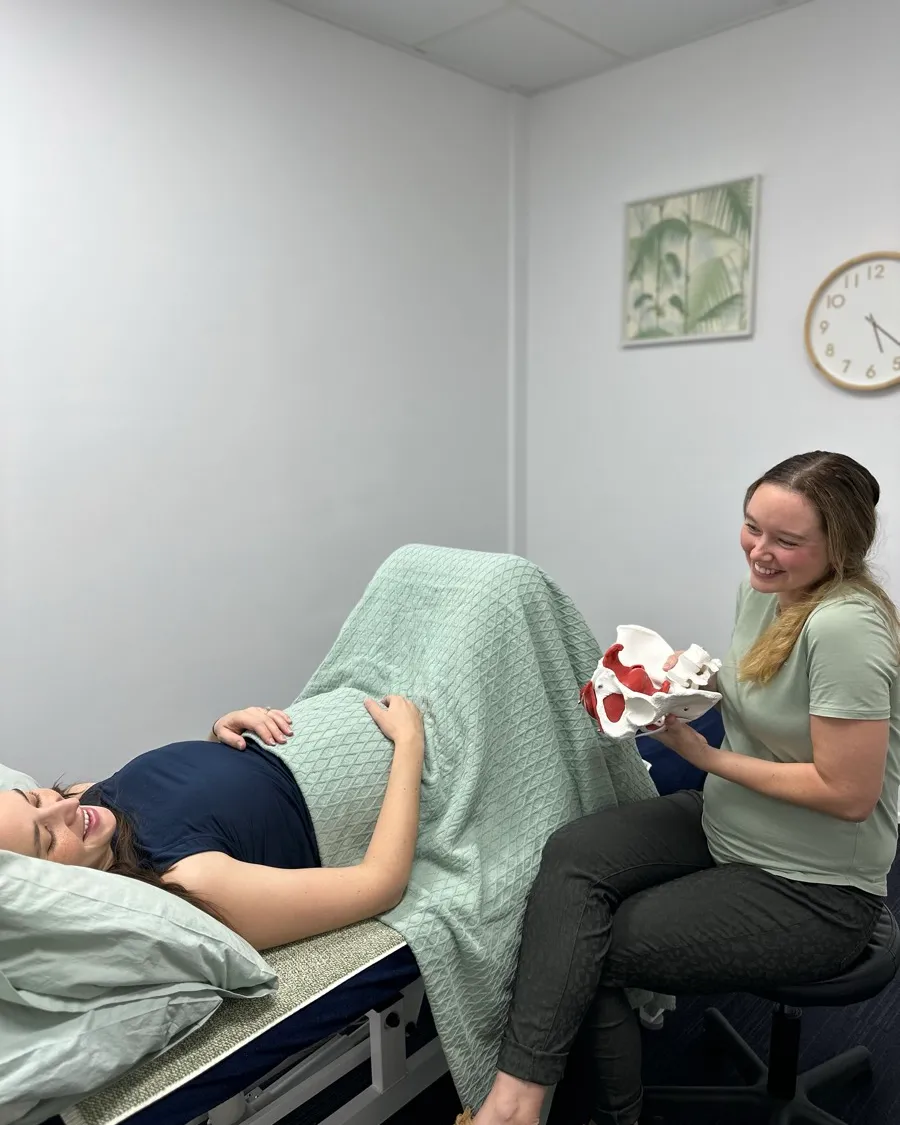
After-birth care that actually understands
Birth changes your body. We're here for your recovery.
The 6-week GP check is a great safety screen, but it's not a recovery plan. A proper postnatal physio assessment looks at your pelvic floor, your abdominal wall, your C-section or perineal scar, your back, your breathing and your goals. Then we build a plan that gets you back to where you want to be.
Whether you gave birth six weeks ago or six years ago, it's not too late. We see new mums on day 10 postpartum and women who had their last baby a decade ago, there's almost always something that responds to good rehab.
When to book in
Around 6 weeks postpartum is the sweet spot for a routine check. By then your initial healing is done and we can fully assess.
Sooner if you're worried about your scar, struggling to wee or open your bowels, or experiencing significant prolapse symptoms.
Anytime beyond that, there's no expiry date on rehab.
Book a postnatal checkConditions we treat
Postpartum conditions we see every day.
Many of the things on this list are common, but common isn't the same as normal, and "common" definitely doesn't mean you have to put up with it.
Pelvic floor & bladder / bowel
- Stress urinary incontinence (leaking with cough, sneeze, run)
- Urge incontinence and frequency
- Faecal incontinence and difficulty controlling wind
- Pelvic organ prolapse (cystocele, rectocele, uterine)
- Pelvic heaviness or 'something is falling out' sensation
- Postpartum constipation and haemorrhoids
- Painful intercourse (dyspareunia)
- Pelvic pain and persistent perineal pain
- Pelvic floor weakness or overactivity
- Coccyx (tailbone) pain
Abdomen, scars & whole-body recovery
- Diastasis recti (abdominal separation)
- C-section scar pain, tightness, numbness or tethering
- Perineal tear or episiotomy recovery
- Postnatal back, hip and SIJ pain
- Neck, shoulder and thoracic tension from feeding posture
- Wrist pain (de Quervain's, 'mummy thumb')
- Rib flare and thoracic mobility loss
- Persistent fatigue and reconditioning
- Return to running, lifting and high-impact exercise
The 6-week check
What's in a comprehensive postnatal assessment?
An hour of your time, and you can absolutely bring your bub. We assess everything that birth touched, and we're honest about what's healing well versus what needs attention.
Pelvic floor assessment
An internal exam (with consent) lets us assess strength, endurance, coordination, prolapse and any scar tenderness. External assessment is an option if internal isn't right for you.
Abdominal & diastasis check
We measure the gap, and more importantly the function. Diastasis is rarely about closing the gap and almost always about how you generate tension across it.
Scar review
C-section, perineal tear or episiotomy. We check for healing, sensitivity and tethering and refer on for any concerns. Scar mobilisation is gentle and surprisingly powerful.
Postural & movement screen
How you stand, how you lift your bub, how you breathe under load. All of which influence whether your body keeps healing or keeps protecting.
Goals conversation
Park run by Christmas? CrossFit class next month? Just being able to sneeze without crossing your legs? We map your plan to your actual life.
Clear plan to take home
A short, achievable home program. A timeline you can trust. And direct communication back to your GP, OB, midwife or maternal health nurse if you'd like.
Return to exercise + clinical pilates
Back to moving, the right way.
Current best-practice guidelines suggest waiting until at least 12 weeks postpartum before returning to running and high-impact training, but waiting alone doesn't make you ready. We use a structured framework that screens your pelvic floor, hopping tolerance, single-leg stability and core strength to make sure you're actually rehabilitated, not just past the calendar date.
For most postpartum mums, clinical pilates is the bridge between "cleared to exercise" and being ready to load. Our team is trained in clinical pilates and you can attend either a 1:1 session or a small group class, with every exercise modified to your postpartum stage and recovery.
Our return-to-running checkpoints
- Pelvic floor: cough / jump test with no leaking or heaviness
- Walking 30 minutes briskly with no symptoms
- Single-leg balance and squat tolerance
- 30 sec hopping on each leg, symptom-free
- Calf raises: 20+ reps each leg
- Plank and side-plank tolerance with no doming
- A graduated walk-jog program before continuous running
FAQ
Common questions about postnatal physio.
How long after birth should I wait to come in?
For a routine postnatal check, around 6 weeks postpartum is ideal. Sooner if you have a specific concern, bladder/bowel issues, scar problems or pelvic pain don't need to wait.
Can I bring my baby?
Absolutely. Our rooms are bub-friendly, there's space for a pram, a feeding chair if you need one, and we're entirely unfussed by feeding mid-appointment.
I had my baby years ago, is it too late?
No, we see women whose children have fully grown up. The pelvic floor and abdominal wall respond to good rehab no matter how much time has passed.
I had a C-section, do I still need pelvic floor physio?
Yes. Pregnancy itself (regardless of how the baby came out) puts significant load on your pelvic floor. C-section scar care is also genuinely valuable.
Do you take private health rebates?
Yes. We process HICAPS at the clinic so you only pay the gap. Most extras policies cover physiotherapy, check with your fund for your specific limit.
Real recovery, not just rest.
Book a postnatal physio assessment at either of our clinics, Currimundi or Sandstone Point.